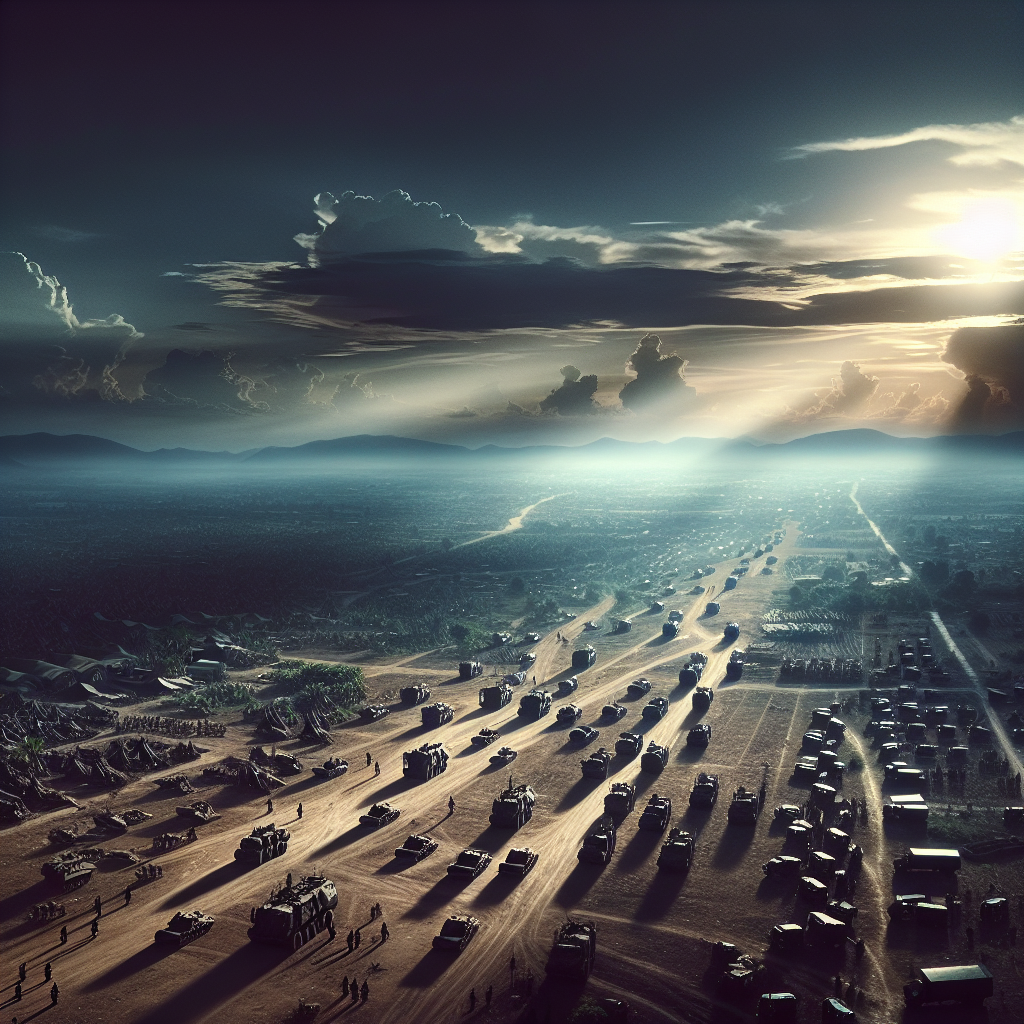
The sustainability of Ukraine-Russia peace deal progress remains uncertain, with available evidence suggesting any negotiated settlement faces significant obstacles that could limit its duration to months rather than years. The simultaneous continuation of diplomatic negotiations documented since 2022, alongside escalating military operations, indicates a fundamental disconnect between peace-building efforts and operational military strategy that undermines confidence in durable outcomes.
Peace negotiations in the Russo-Ukrainian war have maintained documented timelines since 2022, indicating sustained diplomatic engagement despite battlefield realities. However, this diplomatic persistence coexists with contradictory signals on the ground. Russia continues large-scale drone attacks on Ukraine with 800+ sorties, directly contradicting the momentum that peace negotiation signals would suggest. This pattern reveals a negotiating posture wherein military operations serve as leverage rather than complement to diplomatic progress.
The presence of parallel tracks (negotiation and military escalation) historically produces unstable settlements. Without a corresponding de-escalation of military operations, peace agreements function as temporary ceasefires rather than durable political solutions. The continuation of 800+ drone sorties demonstrates that at least one party maintains escalatory capacity and apparent willingness to use it, reducing the likelihood that any agreed framework would survive initial implementation challenges.