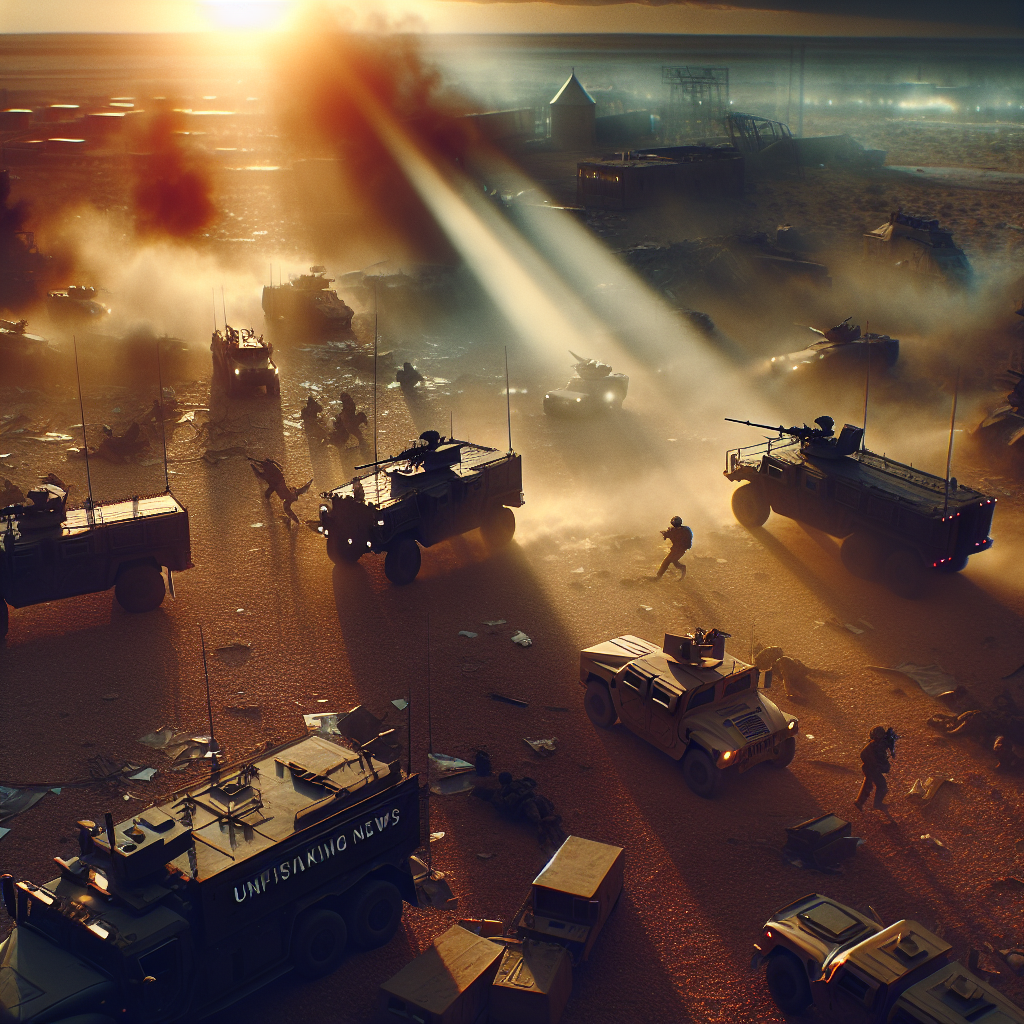
The 2026 Iran-Israel conflict represents a significant escalation in decades-long regional tensions, distinguishable from previous confrontations through its scope, duration, and resolution pathway. Historical analysis reveals patterns consistent with earlier proxy conflicts and direct confrontations, yet demonstrates unique characteristics in diplomatic resolution and international involvement that differentiate it from the 1980-1988 Iran-Iraq War, the 2006 Lebanon conflict, and sporadic Israeli-Iranian military exchanges throughout the 2010s-2020s period.
Trump administration threats to blow Iran "off the face of the earth" amid Hormuz Strait tensions marked a critical rhetorical escalation preceding kinetic operations. Such inflammatory language preceded the 2003 Iraq invasion and the 2011 Libya intervention, establishing historical precedent for rhetoric-to-action timelines in Middle Eastern conflicts. The specific invocation of existential threat language reflected Cold War-era discourse patterns, suggesting decision-makers employed familiar frameworks when confronting novel strategic circumstances regarding Persian Gulf chokepoint control.
Iranian strikes on Israel documented as ongoing military operations indicated a sustained asymmetric warfare campaign distinguishing the 2026 conflict from previous exchanges. The 2020 Soleimani assassination had prompted limited ballistic missile responses; the 2026 campaign represented significantly expanded operational tempo and sophistication. Iranian military doctrine emphasized distributed attacks across multiple domains, mirroring strategies employed during the 1980-1988 tanker wars and the 2019-2024 drone and missile attacks on Saudi Arabian infrastructure. However, the documented "ongoing military operation" designation suggests systematized campaign planning rather than reactive strikes.